


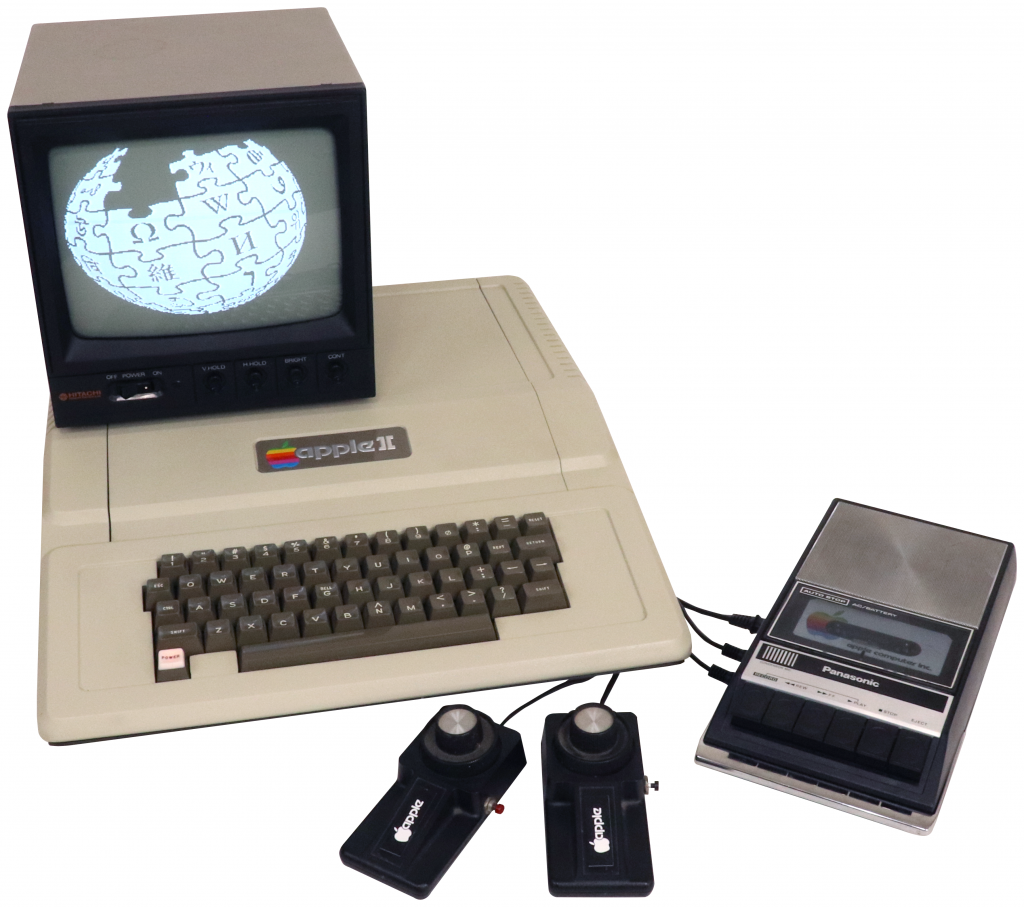
The year is 1978. My desk is tucked away in the unfinished corner of the chilly basement, the bulky computer and internal modem casting a dim glow around me. I’ve already checked – my parents and sister are asleep, likely lost in dreams of Dallas, Laverne & Shirley, and those Duke boys. That high-pitched wail fills the room, then clicks and whirs like the soundtrack to my own nightly adventure. If all goes well, tonight I’ll explore distant digital realms for as long as I can remain hidden under a cloak of darkness. But with our single shared phone line, every download’s a gamble, every byte a race against the clock before someone needs the phone and breaks the magical thread.
Those early days of online connection weren’t about search engines and social media. The internet, as we know it, didn’t even exist. Instead, there were Bulletin Board Systems (BBSes). These isolated islands of connection were the heart of my early online explorations. Finding one felt like uncovering buried treasure – sometimes I’d get lucky and score a phone number from a computer magazine, other times, the BBSes themselves held clues to new ones. Dialing in felt like taking a step through a time portal into a text-only dimension.
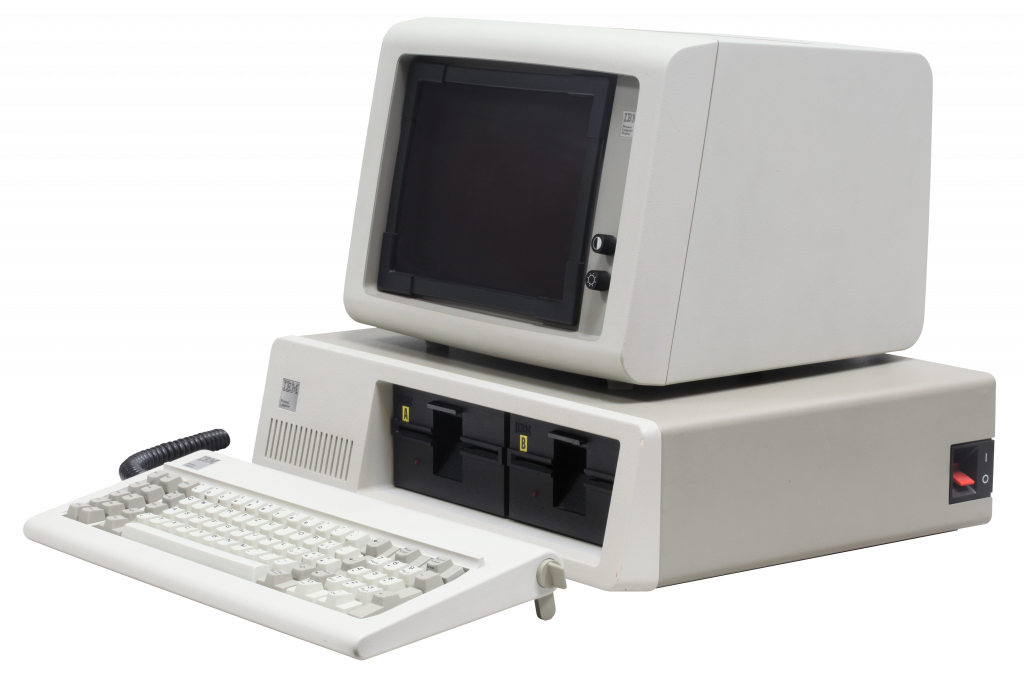
BBSes were curated by dedicated SysOps, individuals who ran these boards from home. Each had its own distinct flavor, from gaming to niche subcultures. Conversations were text-based, but full of warmth and inside jokes. It was like being a regular at your favorite bar, only populated by familiar screen names.
No fancy interfaces here! You navigated BBSes with keyboard commands, explored message threads, downloaded simple games, or participated in text-based chats. ASCII art bloomed in this environment – users created surprisingly intricate images using only standard keyboard characters. It was a way to add personality to the stark world.
Adding to the atmosphere were the short audio clips users incorporated into their exchanges. Basic beeps, boops, digitized music…it added a playful and sometimes jarring dimension to the text-based world.
There was a catch to these magical adventures: they tied up the family phone line! This created a tense race against the clock, constantly aware that someone might need the phone at any moment. Getting a dedicated line for your modem was a luxury back then.

Before delving into BBSes, let’s rewind a bit. Picture this: The late 1970s. Hair is big, pants are flared, computers are enormous. Amidst the disco fever, early modems whispered into existence. Forget today’s instant downloads. Everything was plain text, slowly appearing on your screen, with an 80-baud modem. Each download was an exercise in patience, filled with anticipation as something magical emerged, byte by byte.
We weren’t dealing with huge files. 20KB felt substantial! This forced a focus on smaller programs, text-based adventures, and yes, the occasional blocky image that took ages to render. Everything was compact, and you savored those kilobytes.
Using a computer wasn’t easy back then. You had to understand arcane commands, troubleshoot with limited online resources, and sometimes even tinker with code. All this gave early users a sense of hacker spirit, forging a path into uncharted digital territory.
Remember the glorious screeching symphony of the modem? That dial-up tone was a battle cry, a portal to a new world. Every successful connection felt like a victory, despite busy signals and dropped lines.
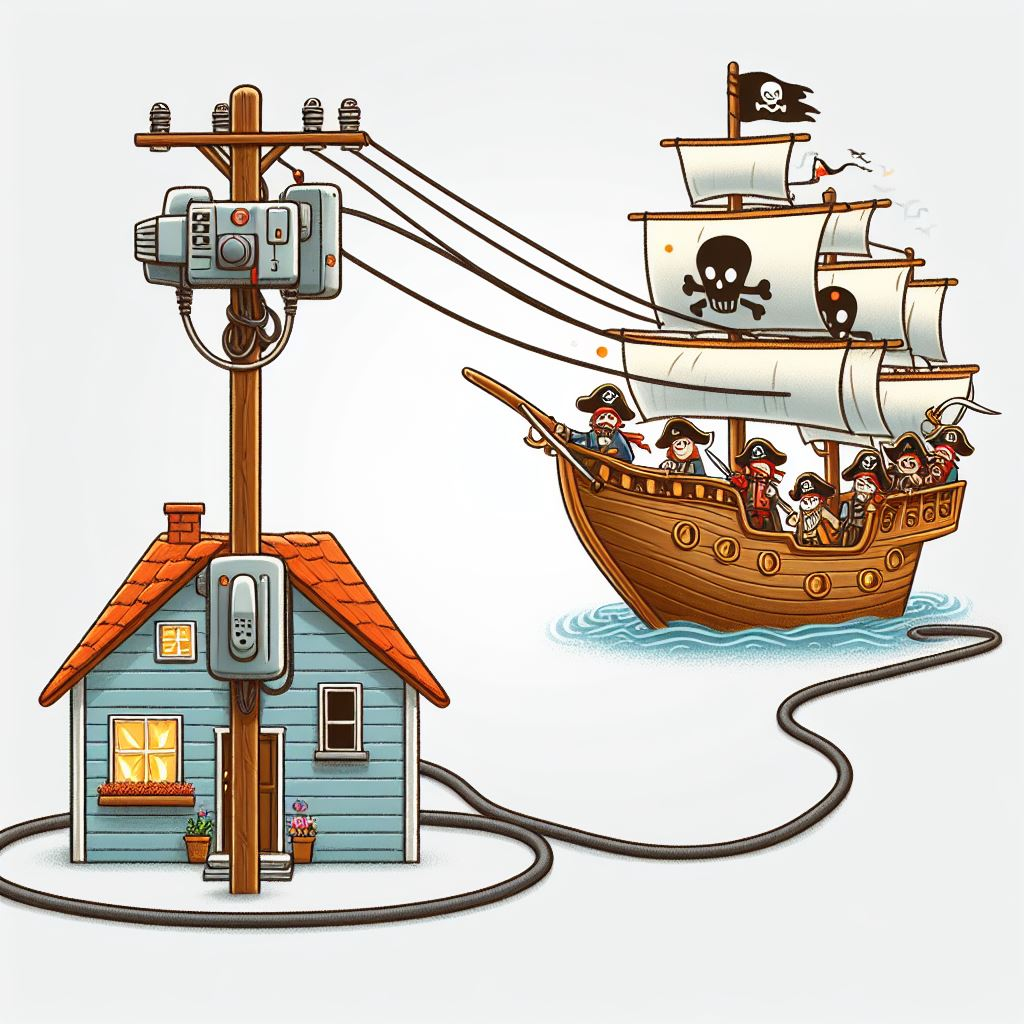
The Wild West of Software Distribution BBSes played a big role in early software distribution, especially for independent developers and shareware. While important, they also, admittedly, became breeding grounds for piracy. Copyright laws were less understood, and copying data was tempting and easy.